
Recent Posts
- غزل November 2, 2026
- آدھی رات کا پورا دکھ October 28, 2026
- غزل October 21, 2026
Categories
- Featured 1
- Poetry شاعری 3
- Prose 1
Availability: Free Digital Archive
Author : Syed Qaim Hussain Naqvi (سید قائم حسین نقوی) |  Language: Urdu & English Translation
Date & Place of Birth: June 6, 1949 — Lahore, Pakistan
Notable Roles & Achievements: Former Editor of the famous monthly literary magazine "Mah-e-Nau" (ماہِ نو), Lahore.
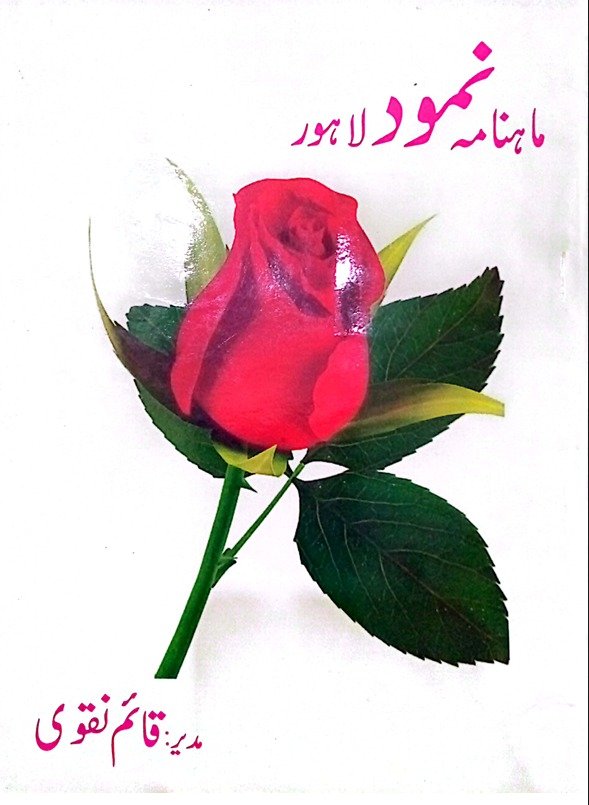
This issue marks the completion of Monthly Namood Lahore’s second full year of publication since obtaining its declaration in 2013. Edited by Qaim Naqvi, this edition contains scholarly essays on Allama Iqbal’s relationship with music, critical evaluations of Urdu term-formation (Istilah-Sazi), regional literary profiles of Layyah, musicology pieces, light essays (Inshaiya), short stories (Afsane), and poetry.
A milestone volume marking the entering of Monthly Namood Lahore into its third year. This edition highlights deep analytical studies, including Allama Iqbal’s philosophy on music and art, linguistic studies on Urdu term creation (Istilah-Sazi), and Layyah’s regional literary contributions. Curated by Qaim Naqvi, it features short stories by prominent authors like Ali Akbar Natiq alongside classical Ghazals and musicology profiles.
Title: Monthly Namood Lahore (ماہنامہ نمود لاہور)
Editor & Publisher: Syed Qaim Hussain Naqvi (Qaim Naqvi)
Volume & Issue: Vol. 3, Issue No. 1–2–3 (Jan–Mar 2015)
Language: Urdu
Publication Place: Lahore, Pakistan
Key Content: Iqbal & Music Study, Istilah-Sazi, Short Stories (Tamgha, Namak), Music Profile of Kamal Das Gupta, Ghazals, and Naat/Salam
An outstanding contribution to Iqbal Studies and Musicology.”
“Latif Sahil’s research on Allama Iqbal’s relationship with music provides fresh, nuanced insights into Urdu literary critique.”
— Literary Critic
Masterful fiction and linguistic essays.
“Ali Akbar Natiq’s short story ‘Tamgha’ and Nasir Bashir’s guide on terminology formation make this issue an essential read for literature students.”
— Magazine Reader
Monthly Namood is a premier magazine dedicated to the celebration of fine craftsmanship, contemporary culture, and sophisticated living. Through curated storytelling and visual arts.
3rd floor, Ali plaza, Block B G 6/3, Blue Area, Islamabad, 46000
info@monthlynamood.com
(051) 2120126
Privacy Policy | Terms & Conditions